

Skip to content
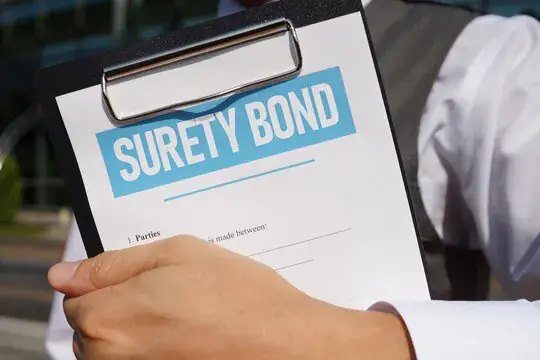
Surety bond agreement being handed across a desk

Surety bonds

Surety Bonds in Greensboro and the Piedmont Triad

A surety bond is the arrangement most people mean when they say 'bail bondsman.' A licensed bondsman guarantees the full bail amount to the court, a premium is paid, and an indemnitor signs on.

What to know

Key elements of a surety arrangement

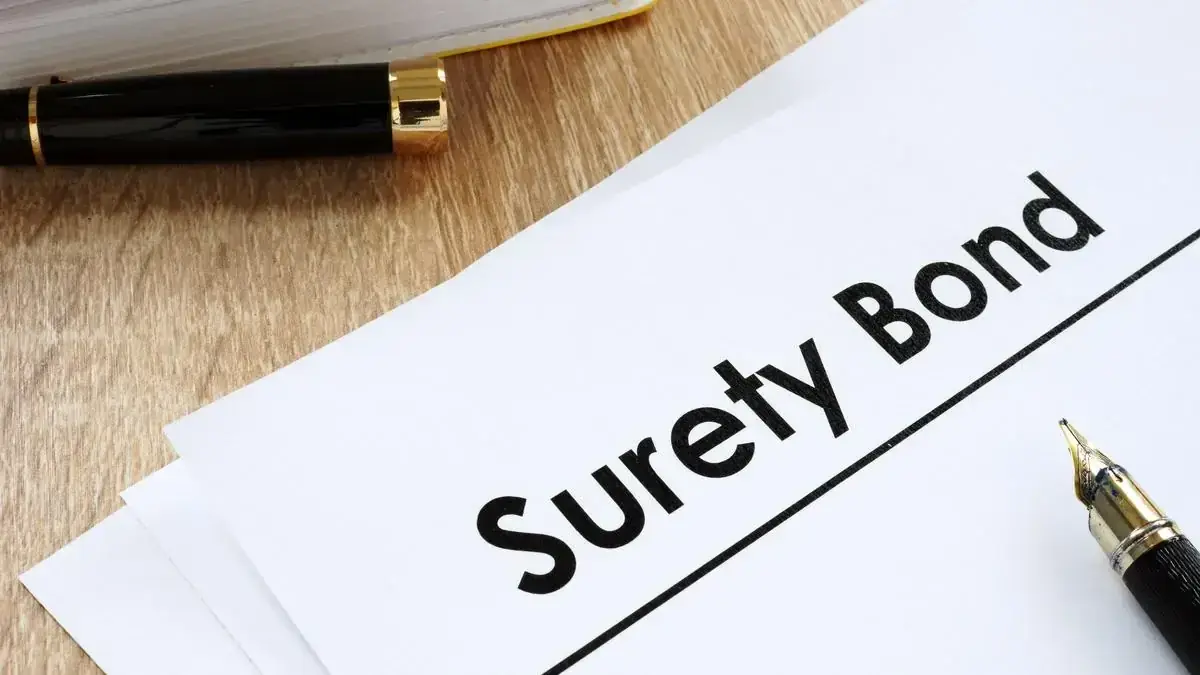
Surety bond document with a fountain pen
  • The guarantee

    The bonding company assures the court the full bail amount, which is why the defendant can be released without that sum being posted in cash.

  • The indemnitor agreement

    A written contract in which a co-signer accepts liability if the defendant fails to appear. This is the document to read most carefully.

  • Collateral, when applicable

    Some bonds involve property or another asset pledged as security. Whether it applies depends on the bond size and circumstances.

  • Court appearance obligations

    The bond stays in effect through the case. Every scheduled appearance matters, and missing one has consequences for everyone who signed.

  • Exoneration at the end

    When the case concludes and all appearances have been made, the bond is released by the court and the obligation ends.

  • Regulated premiums

    Rates operate within the limits North Carolina sets. Anyone offering a figure far outside those bounds is worth a second look.

The three parties in a surety bond

Every surety bond involves the court, the defendant, and the bonding company standing behind the bail figure. The court's interest is simple: it wants assurance the defendant will appear. The bond provides that assurance without requiring the full amount to be handed over in cash.

The fourth participant, and the one families think about least, is the indemnitor. That is the person who signs an agreement accepting responsibility if the defendant does not appear. Their signature is what makes the arrangement possible, and it carries weight beyond the day it is written.

North Carolina regulates this work. Premiums, licensing and the conduct of bondsmen fall under state rules, which is why a surety bond is a defined legal instrument rather than a private handshake.

Indemnitor signing bond paperwork with handcuffs on the table

What the premium is and is not

The premium is the fee paid for the bonding company's guarantee. It is earned when the bond is posted, which means it is not a deposit held for return at the end of the case. That distinction surprises people who have heard about cash bail refunds, and it is worth understanding before signing anything.

Amounts are tied to the bail figure and to what state rules allow. Grace N One goes over the specific numbers for your bond directly rather than publishing a rate that may not apply to your circumstances.

Process

From first call to posted bond

  1. 01

    Verify the bond

    The bail figure and any conditions attached by the magistrate are confirmed against the official record.

  2. 02

    Identify the indemnitor

    We establish who is prepared to sign and confirm the identification and information the agreement requires.

  3. 03

    Review the agreement

    The indemnitor's obligations are read through together, including what happens if the defendant misses court.

  4. 04

    Settle the premium

    Payment arrangements are discussed openly. Available options depend on the bond and the situation.

  5. 05

    File with the facility

    The bond is presented to the jail. Processing after that point runs on the facility's schedule, not ours.

Surety bond document with a fountain pen

What the indemnitor is actually agreeing to

Signing a surety bond is a financial commitment, not a formality. Before anything is filed, Grace N One walks through the obligation line by line so the person signing knows exactly what happens if court dates are missed.

Before you sign

Before you agree to be an indemnitor

  • You are guaranteeing appearances, not behavior

    The obligation is tied to the defendant showing up in court. It does not make you responsible for the outcome of the case.

  • The obligation lasts as long as the case does

    Cases can run for months. Signing means staying reachable and staying aware of the court calendar for that whole period.

  • Financial exposure is real

    If the defendant absconds, the indemnitor can be pursued for the bond amount. This is the single most important thing to understand.

  • You can ask questions afterward

    If something about the case changes — an address, a job, a missed notice — say so early rather than waiting for a problem.

Questions

Frequently asked questions

Is the premium refundable if charges are dropped?

No. The premium pays for the guarantee provided to the court at the moment the bond is posted. That service has been rendered regardless of how the case later resolves.

Can more than one person co-sign?

In some situations, yes. Multiple indemnitors can share the responsibility, which occasionally makes an arrangement workable that would not be otherwise. It is a case-by-case discussion.

What is the difference between a secured and unsecured bond?

A secured bond requires something of value behind it — cash, property or a surety. An unsecured bond is a written promise to pay if the defendant fails to appear, with nothing posted up front. The magistrate decides which applies.

Does collateral always get involved?

No. Collateral is situational and depends on the bond amount, the circumstances, and the arrangement reached. Many bonds do not involve it at all.

What if the defendant misses a court date?

The court can order the bond forfeited, which starts a process affecting both the defendant and the indemnitor. Contacting us immediately when a date is missed gives the best chance of addressing it before it escalates.

How does a surety bond end?

When the case concludes and the defendant has met their appearance obligations, the court exonerates the bond. The indemnitor's liability ends at that point.

Understand the agreement before you sign it

Grace N One walks every indemnitor through the document line by line. Call to go over what a surety bond would mean in your situation.

Coverage

Surety bonds county by county

Guilford County processes a high volume of bonds, and the detention facilities in Greensboro and High Point both handle intake. Forsyth County's operations in Winston-Salem run on their own schedule, as do Alamance County's in Graham and Randolph County's in Asheboro.

The mechanics of the surety bond do not change from one county to the next, but the practical timing does. Grace N One tells you which pattern to expect where the person is being held so you are not sitting in a parking lot wondering.